
Category: Guitar Technique
Improve your guitar technique with practical guides focused on picking, timing, speed, control, muting, and hand synchronization.
This category brings together detailed articles, exercises, photos, tabs, and video demonstrations designed to help you identify inefficient movements, correct common technical problems, and build cleaner, more consistent playing.
Explore guides on alternate picking, picking-hand position, wrist and forearm movement, pick depth, rhythm accuracy, string crossing, and other essential areas of electric guitar technique.
Each article is based on real technical issues I regularly see in guitar players and during personal feedback sessions.
Practice. Improve. Repeat.
-
Alternate Picking String Changes: Why Upstroke and Downstroke Transitions Feel Different
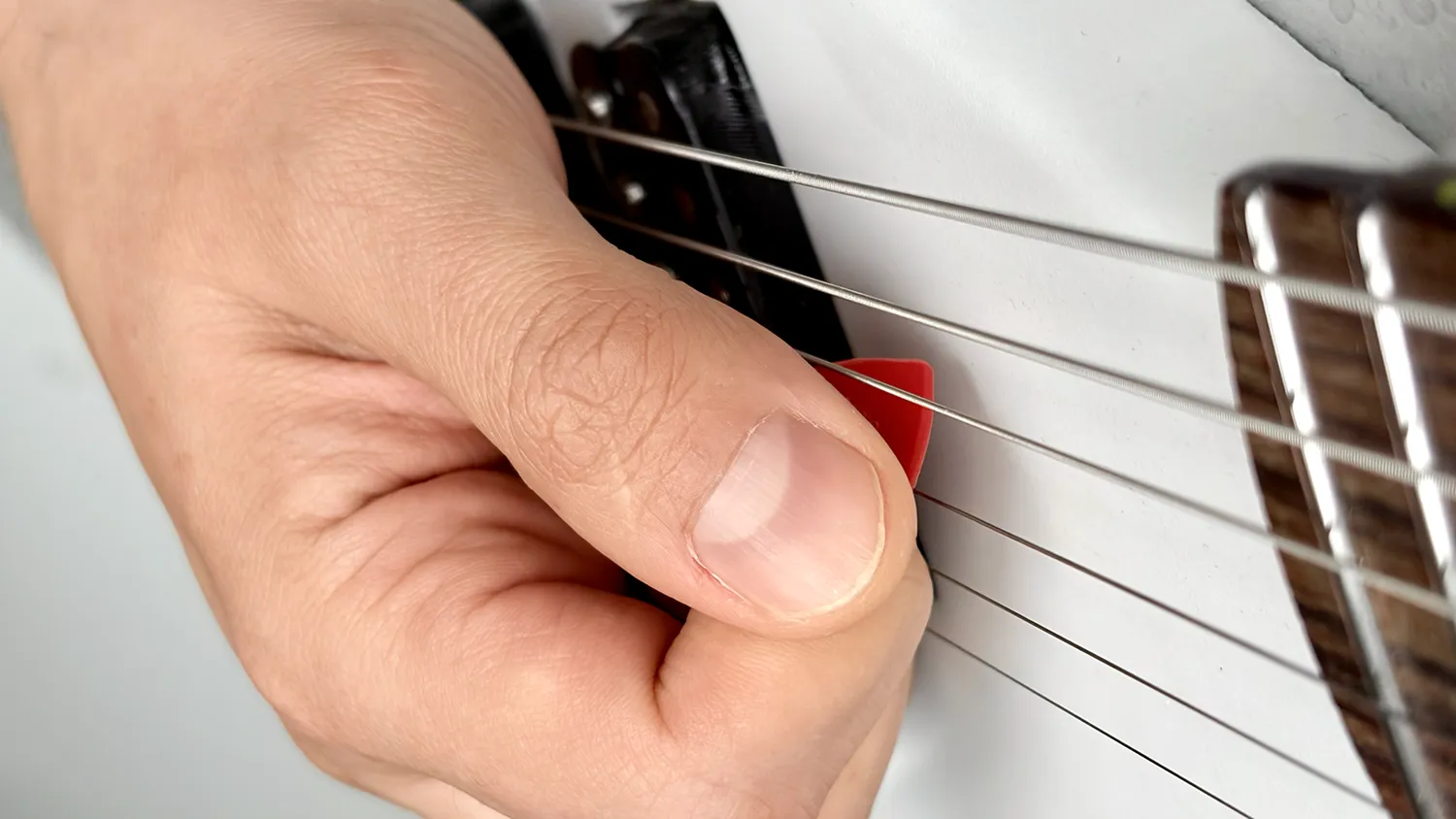
You may be able to alternate pick cleanly on one string, but everything changes as soon as you have to move to the next one. The pick starts catching the strings. Your movement becomes larger. Your timing becomes less consistent. Or one type of string change feels comfortable while the other immediately causes problems. This…
-
Wrist vs Forearm Picking: Which Movement Should You Use?
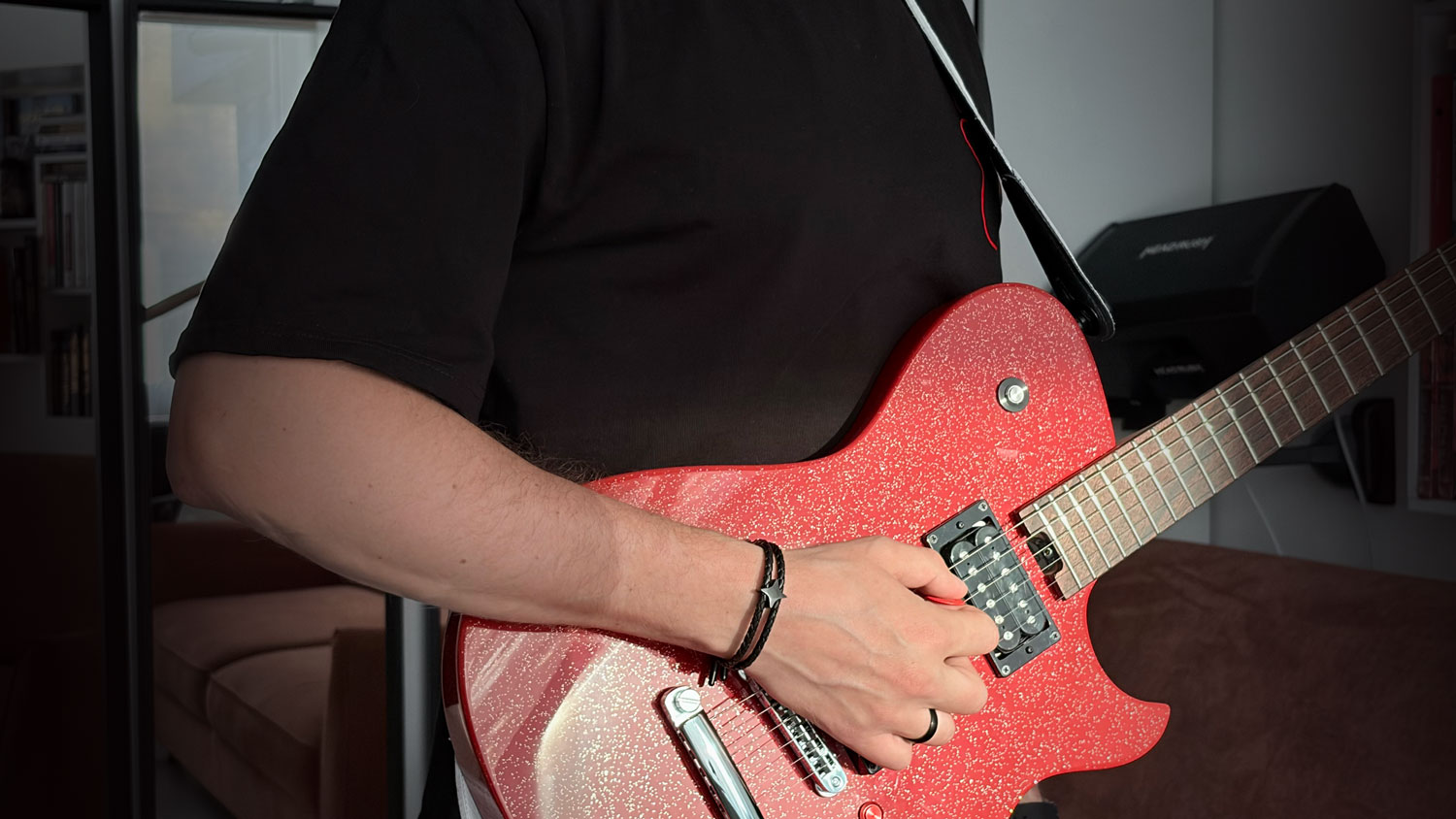
Should your picking motion come from the wrist, the forearm, or the elbow? This is one of the most common questions guitarists ask when trying to improve speed, accuracy, and endurance. Some players try to keep the forearm completely still and move only from the wrist. Others rely on a larger motion from the elbow.…
-
Picking Hand Position: How to Play Faster With Less Tension
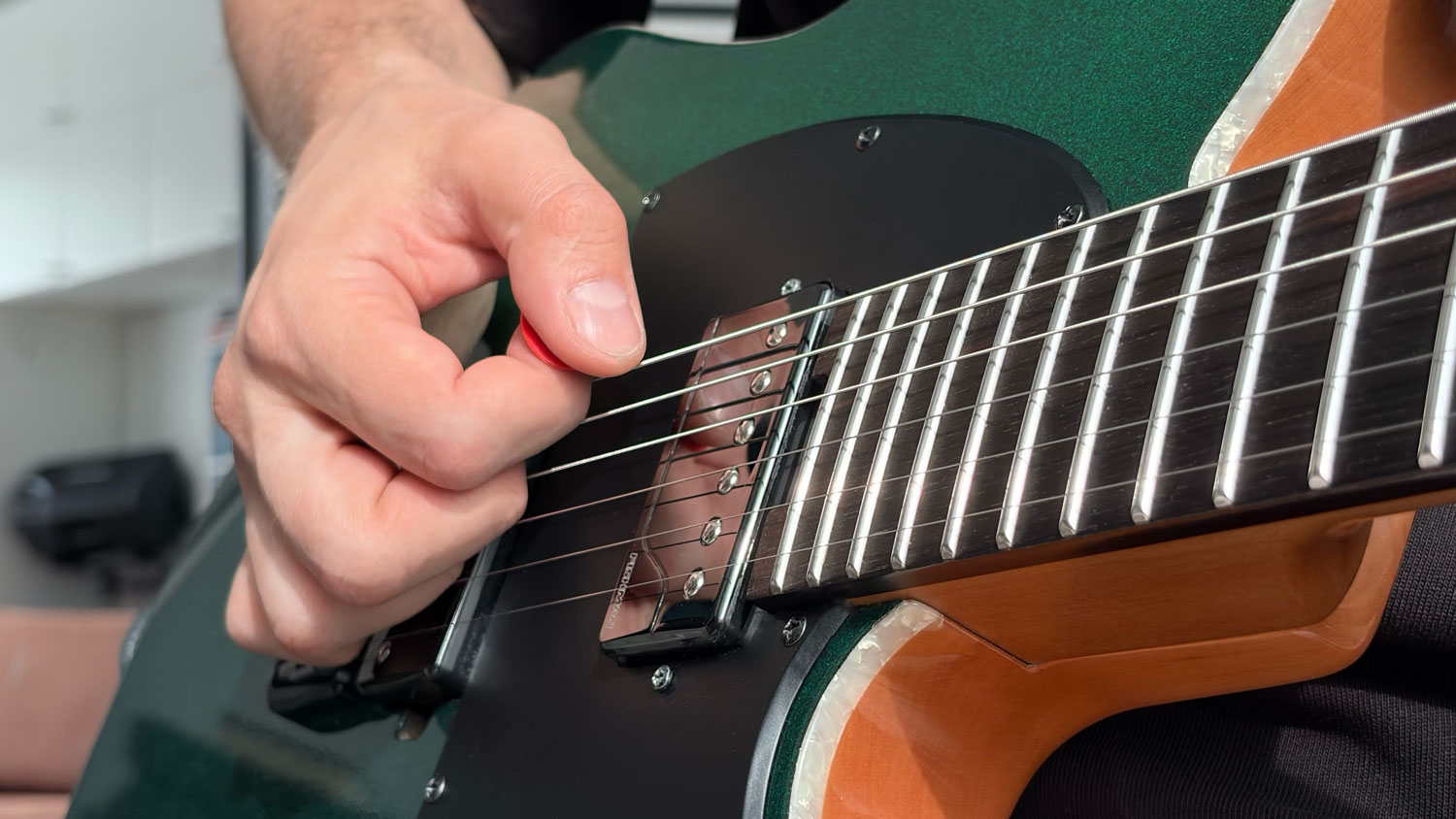
Many guitarists think faster picking is mainly about moving the hand faster. In reality, speed often begins with position. Your picking hand position affects how freely the wrist can move, how deeply the pick enters the strings, how easily you can change strings, how effectively you can mute unwanted noise, and how much tension develops…
-
7 Common Alternate Picking Mistakes and How to Fix Them
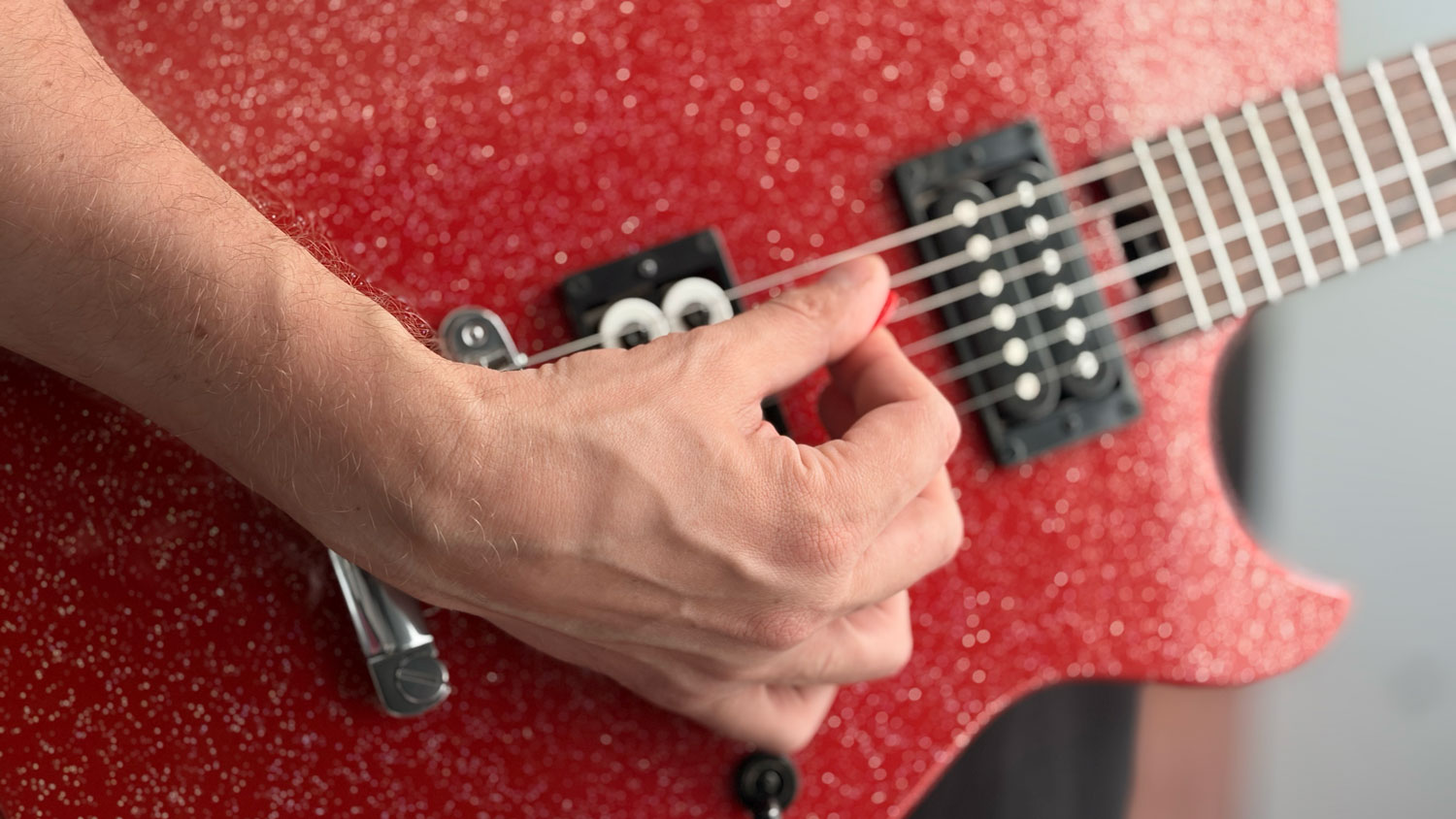
Alternate picking appears simple: play one downstroke, then one upstroke, and continue alternating. But clean alternate picking requires more than moving the pick up and down. Your picking hand must remain relaxed, both strokes must sound consistent, the pick must pass through the string efficiently, and the fretting hand must arrive at every note at…