
Author: Andrew Nitsievsky
-
NAM Files & Neural Captures for Guitarists
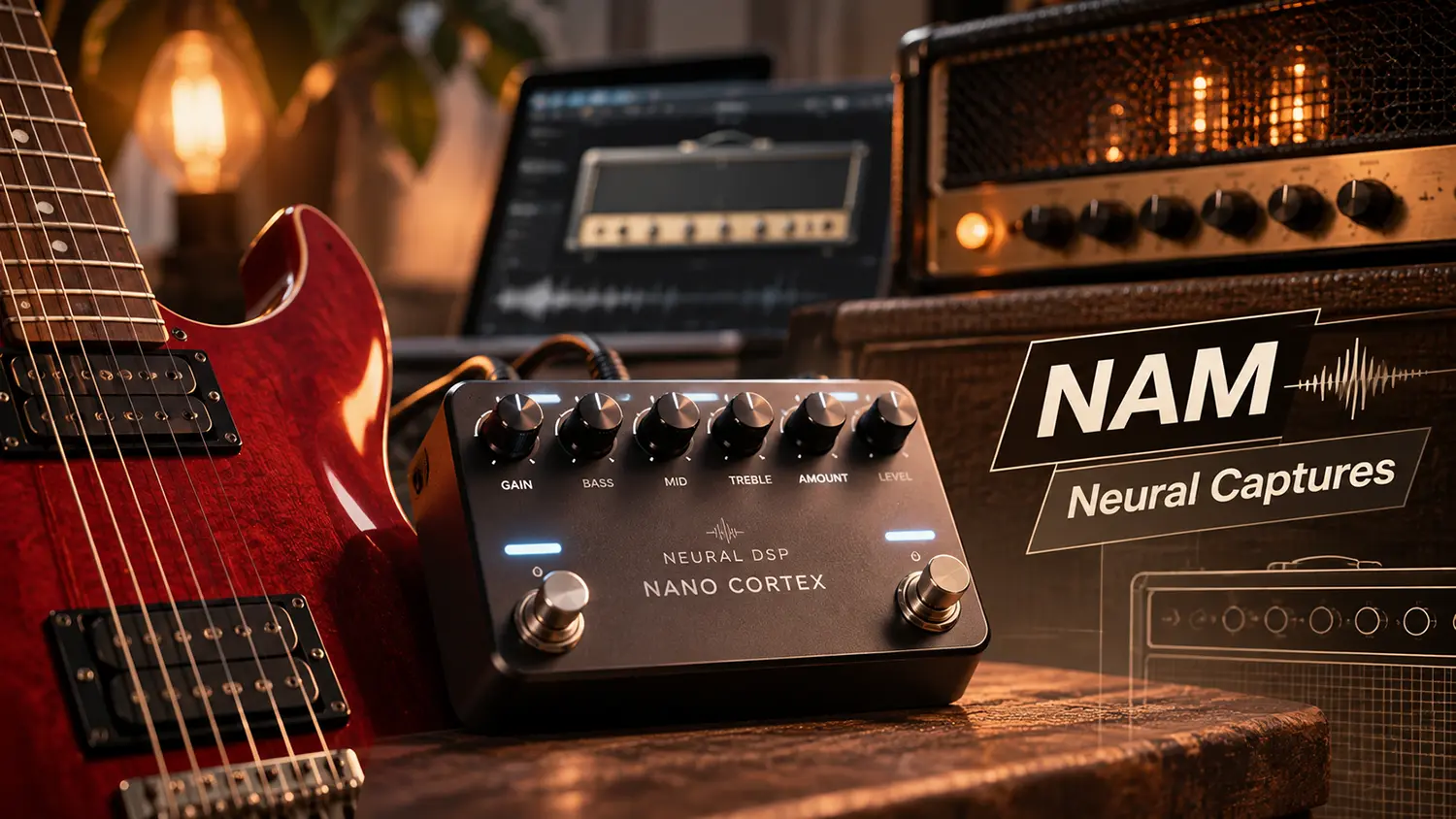
Explore Neural Amp Modeler, discover great amp tones on TONE3000, and download my hand-picked Neural Captures for Neural DSP Cortex processors. Modern amp modeling gives guitarists access to an incredible range of sounds without the need to own a collection of physical amplifiers. Two technologies that make this possible are Neural Amp Modeler (NAM) and Neural DSP’s proprietary…
-
Alternate Picking String Changes: Why Upstroke and Downstroke Transitions Feel Different
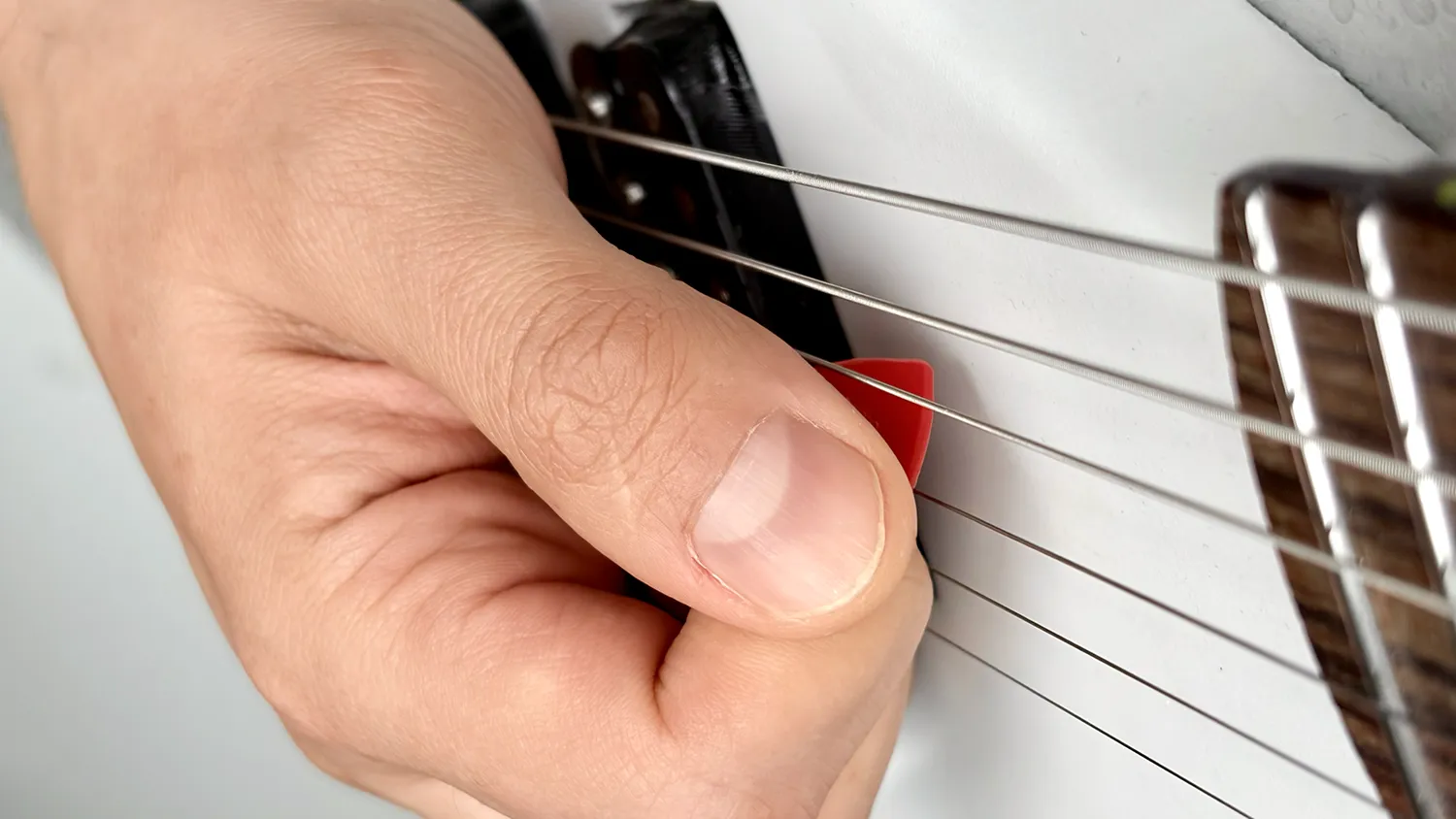
You may be able to alternate pick cleanly on one string, but everything changes as soon as you have to move to the next one. The pick starts catching the strings. Your movement becomes larger. Your timing becomes less consistent. Or one type of string change feels comfortable while the other immediately causes problems. This…
-
Wrist vs Forearm Picking: Which Movement Should You Use?
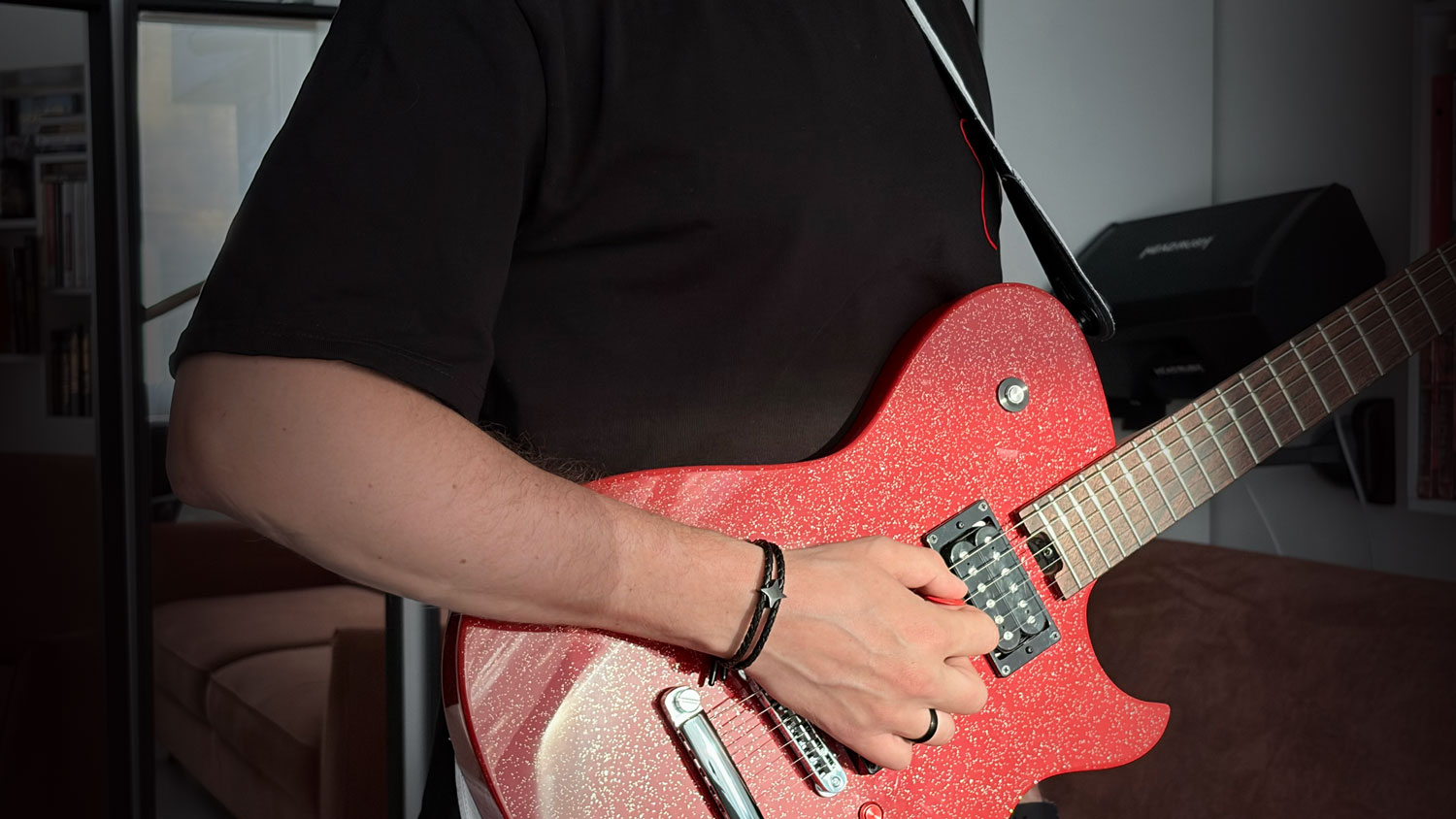
Should your picking motion come from the wrist, the forearm, or the elbow? This is one of the most common questions guitarists ask when trying to improve speed, accuracy, and endurance. Some players try to keep the forearm completely still and move only from the wrist. Others rely on a larger motion from the elbow.…
-
Picking Hand Position: How to Play Faster With Less Tension
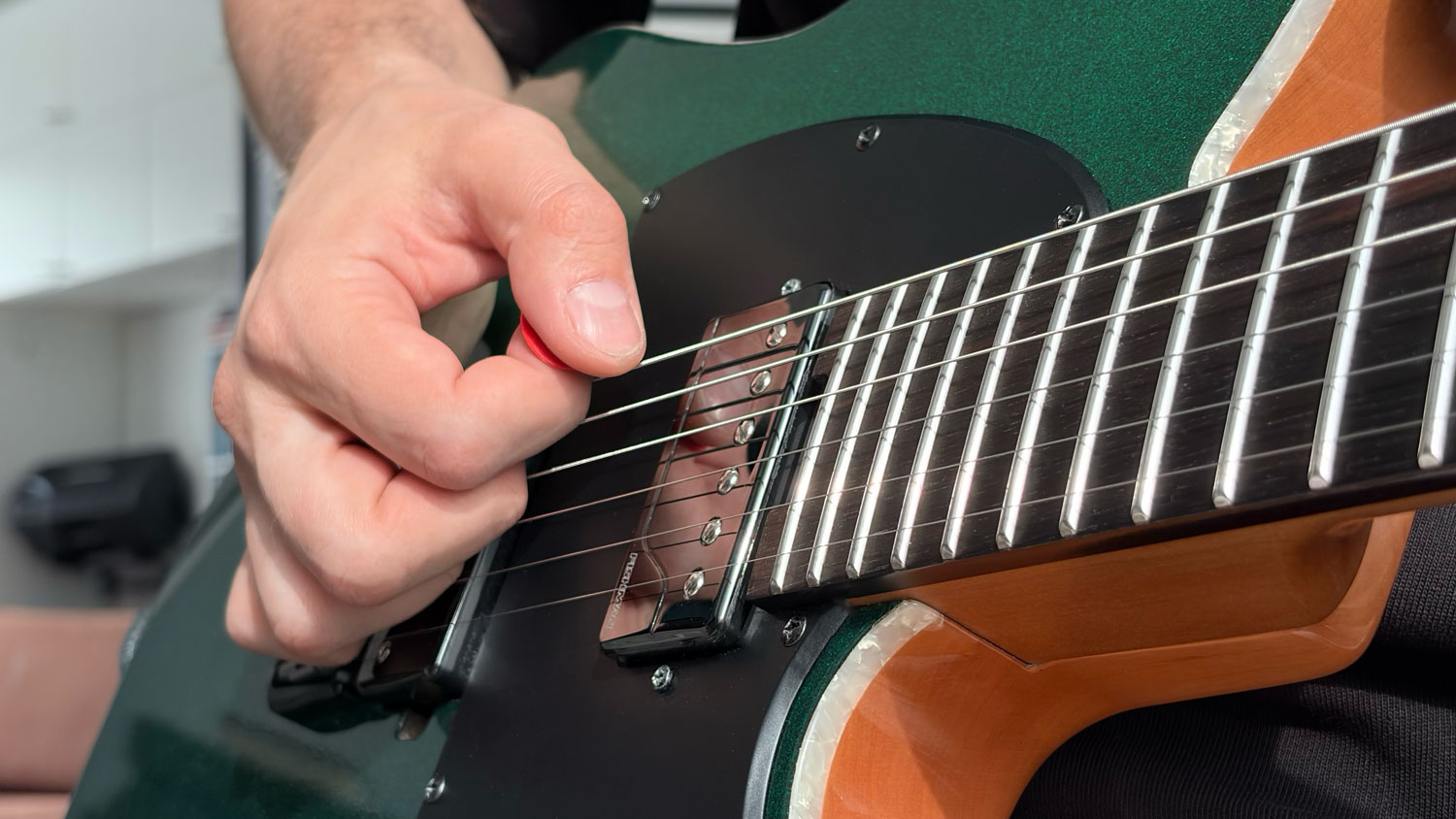
Many guitarists think faster picking is mainly about moving the hand faster. In reality, speed often begins with position. Your picking hand position affects how freely the wrist can move, how deeply the pick enters the strings, how easily you can change strings, how effectively you can mute unwanted noise, and how much tension develops…
-
7 Common Alternate Picking Mistakes and How to Fix Them
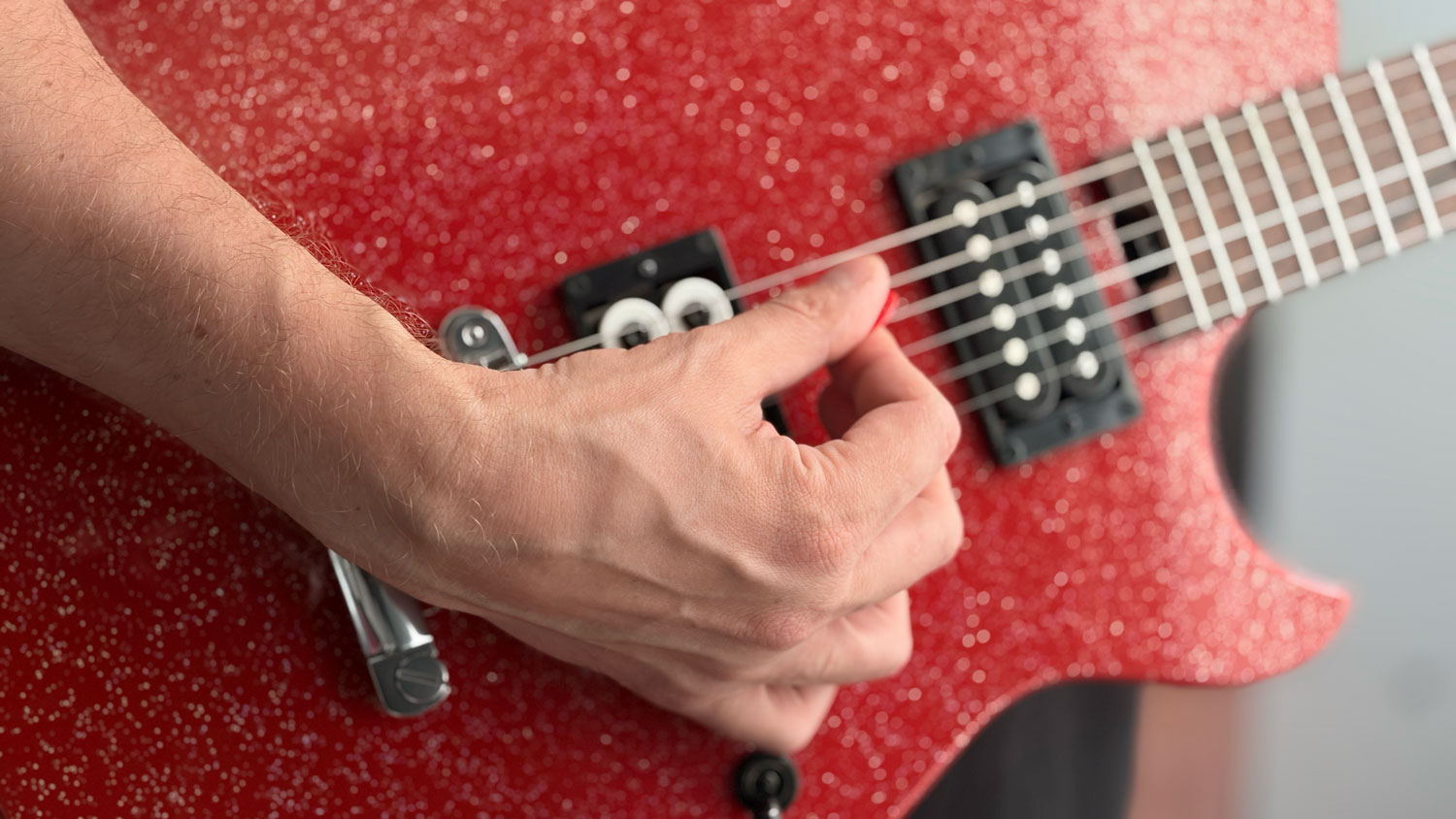
Alternate picking appears simple: play one downstroke, then one upstroke, and continue alternating. But clean alternate picking requires more than moving the pick up and down. Your picking hand must remain relaxed, both strokes must sound consistent, the pick must pass through the string efficiently, and the fretting hand must arrive at every note at…